Sunday, February 1, 2026

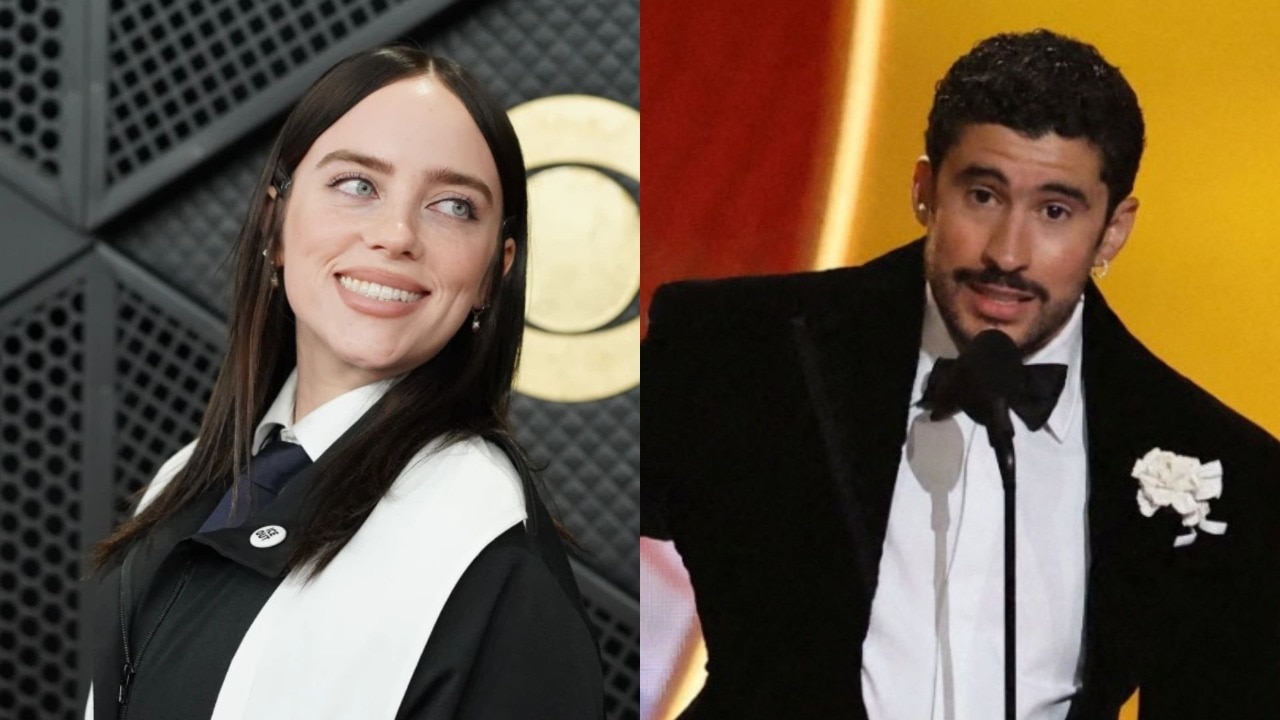
At the 68th Grammy Awards (broadcast Feb 1, 2026), numerous artists used the platform to denounce U.S. Immigration and Customs Enforcement (ICE). Celebrities including Billie Eilish, Bad Bunny, Kehlani, Olivia Dean and others wore “ICE OUT” pins and delivered anti‑ICE lines in acceptance speeches or interviews, turning the ceremony into a visible moment of immigrant‑rights activism and sparking political reaction.
Key facts
Multiple 2026 Grammy attendees wore “ICE OUT” pins
Billie Eilish won Song of the Year for “Wildflower” and denounced ICE
Eilish said “No one is illegal on stolen land” and “f*ck ICE” on stage
Bad Bunny used his Grammy acceptance speech to say “ICE out” and affirm migrants’ humanity
 Harper's Bazaar
ICE is responsible for abusive and dehumanizing immigration enforcement, and a high‑profile cultural event like the Grammys should be used to demand change and solidarity with migrants.
Best arguments
ICE raids and enforcement practices are violent and dehumanizing, justifying urgent public condemnation from influential figures.
Using the Grammys’ global audience amplifies messages like “ICE out” and “No one is illegal on stolen land,” potentially pressuring policymakers.
Coordinated pins, outfits, and speeches show industry solidarity and connect entertainment, fashion, and protest movements into a broader front against current policies.
 New York Post
Immigration enforcement is a necessary function of a sovereign state, and wealthy celebrities who attack ICE from the Grammy stage are hypocritical and disconnected from everyday concerns.
Best arguments
Celebrities enjoy security and wealth created under U.S. laws yet publicly denounce the agencies tasked with enforcing those laws.
Anti‑ICE slogans at an entertainment awards show are grandstanding that trivializes complex border and security issues.
Hollywood and music elites are out of touch with ordinary Americans who are more concerned with law, order, and community safety than symbolic protests.
Harper's BazaarThe anti‑ICE actions at the Grammys exemplify a broader resurgence of overtly political fashion and celebrity branding tied to social justice causes.
Best arguments
Political pins and custom garments like “ICE Out” pieces show fashion being used intentionally as a messaging tool, not just decoration.
The Grammy protests are part of a continuum of industry activism, alongside labels that donate proceeds or shut stores during protests.
Political fashion both reflects and shapes public sentiment, turning red carpets into contested spaces where cultural and policy debates play out visually.
Treating celebrity opinions as stand‑ins for public consensus on complex policies: Public figures’ views are sometimes presented as emblematic of broader public sentiment, implying widespread agreement while offering little evidence about how representative these positions actually are across diverse populations.
Presenting a single side of a polarizing issue as if it were neutral common sense: Coverage can relay only one moral or political stance on a contentious policy, framing it as obvious or uncontested, while downplaying or omitting good‑faith opposing arguments and relevant trade‑offs.
Using personal wealth or status to dismiss political views without addressing substance: Critiques can focus on a speaker’s privilege or lifestyle to invalidate their stance, shifting attention away from the actual arguments or evidence and reducing debate to attacks on character or social position.
Implying direct causation between enforcement actions and outcomes without nuance: Descriptions of enforcement activities and resulting harms may suggest a simple, direct cause‑and‑effect relationship, without clarifying other contributing factors, policy constraints, or alternative explanations that affect outcomes.
Highlighting dramatic protest moments while sidelining policy specifics: Narratives may prioritize vivid quotes, slogans, and imagery over clear explanation of laws, procedures, or data, giving a strong emotional impression of right and wrong without grounding it in detailed policy analysis.
Does anything look off?

Automated fact checks, context, and multiple viewpoints, so you can share more responsibly and argue less.

© 2025 Unbubble News. All rights reserved.
Made with care for a less polarized world.