Monday, January 5, 2026
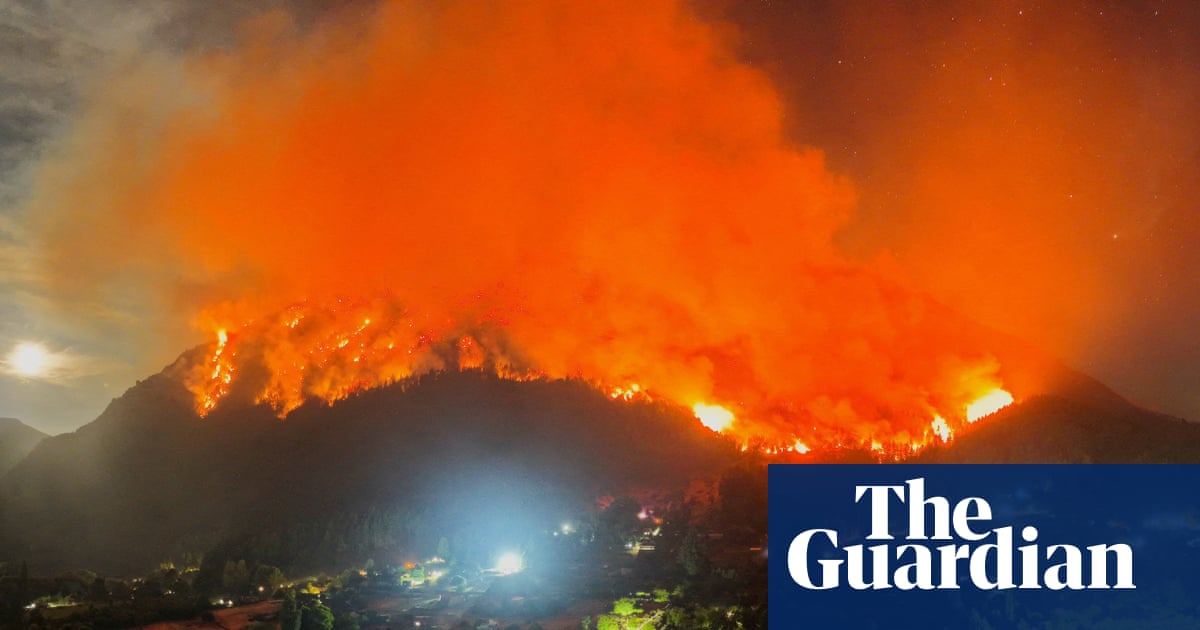
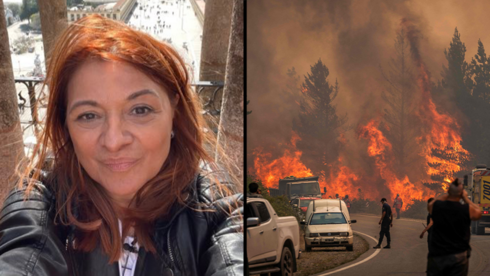
In January 2026 a wave of wildfires in Patagonia (Argentina) and earlier blazes in Chile prompted social-media rumours and state-broadcast misuses that falsely blamed Israelis or Israel for starting the fires. Reliable reporting and local authorities say the fires were driven by extreme weather and human activity; some fires show signs of deliberate ignition but investigators have found no verified link to Israel. The rumours have sparked antisemitic conspiracy theories and been debunked by multiple outlets.
Key facts
~36,000 hectares burned in Patagonia since early Jan 2026
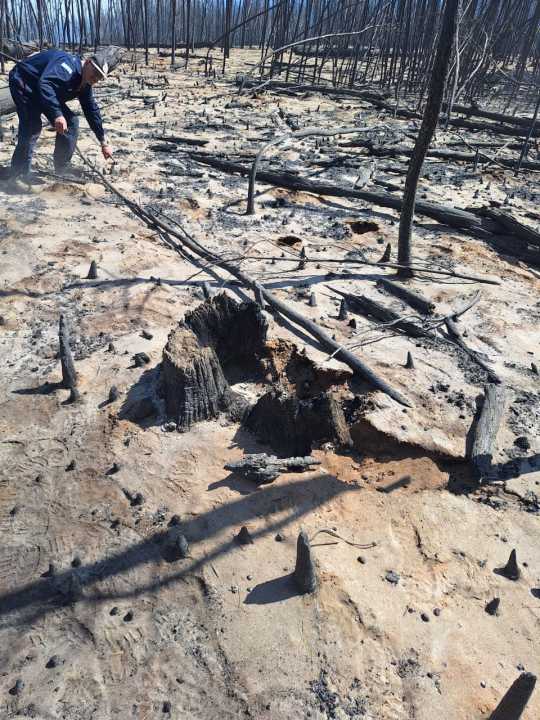
Chubut prosecutors say fires show signs of human origin
No evidence links Israelis or Mapuche to starting Patagonia fires
Online rumours falsely blame Israelis/Jews for Patagonia fires
Iranian state TV misused Chile wildfire video in Israel context
 The Guardian
 Ynet
Ynet Israel Hayom
 VINnews
The wildfires are the result of extreme weather and human-caused ignition, but there is no evidence that Israelis, Jews, or Mapuche communities started them.
Best arguments
Prosecutors and courts say fires show human origin yet have not identified suspects, making targeted blame premature.
Authorities and fact-checking outlets find circulating videos are miscaptioned campfires from other locations, not proof of Israeli or Mapuche arson.
Officials warn such rumours echo old antisemitic and anti‑Mapuche conspiracy theories and undermine both firefighting and investigations.
YnetIsrael HayomVINnewsClaims that Israelis or Jews started the Patagonia fires constitute a dangerous antisemitic ‘blood libel’ with no factual basis and must be publicly repudiated.
Best arguments
Jewish community leaders stress that publicly naming “two Israelis” without evidence stigmatizes Jews and fuels hatred.
Reports document fabricated details (alleged arrests, weapons) and their amplification by outlets like Iran’s Fars News, showing coordinated disinformation.
Past antisemitic myths such as the Andinia Plan show a pattern where crises in Patagonia are repeatedly exploited to target Jews/Israelis.
Israel HayomIn regional information battles, some Iranian media have framed wildfires and fire imagery as evidence of Israeli vulnerability or wrongdoing, even using misleading content.
Best arguments
Iranian state TV broadcast Chile wildfire footage while presenting it as destruction from Iran’s attack on Israel, indicating willingness to reuse unrelated imagery.
Iranian Fars News echoed unverified social‑media claims that Israelis were behind the Argentine fires, supporting anti‑Israeli narratives.
Such coverage fits a broader pattern in which regional media weaponize disasters and ambiguous visuals to advance geopolitical messaging against Israel.
Turning fringe online rumors into a central driver of the overall narrative: Coverage can overemphasize sensational but marginal online accusations, portraying them as broadly influential, which inflates their importance and may misrepresent how widespread such views actually are.
Portraying loosely connected actors as coordinated ideological ‘forces’: Vague references to groups or ‘forces’ spreading false claims can imply an organized campaign without clear evidence, blurring the line between isolated misinformation and deliberate, centrally directed efforts.
Using emotionally charged historical labels for present-day false claims: Invoking historically loaded terms for modern conspiracies can heighten emotional response and moral framing, potentially overstating parallels and shifting focus from concrete facts to symbolic battles.
Attributing deliberate intent behind misinformation without clear proof: Reports may suggest that parties spreading inaccurate claims do so with calculated malice or strategic goals, even when evidence might also fit confusion, bias, or negligence, overstating certainty about motives.
Focusing on identity of alleged perpetrators over verified evidence: Narratives can center on the nationality or ethnicity of supposed culprits, even when evidence is lacking, reinforcing group-based blame and overshadowing technical investigations into the actual cause of events.
Does anything look off?

Automated fact checks, context, and multiple viewpoints, so you can share more responsibly and argue less.

© 2025 Unbubble News. All rights reserved.
Made with care for a less polarized world.