Thursday, January 29, 2026
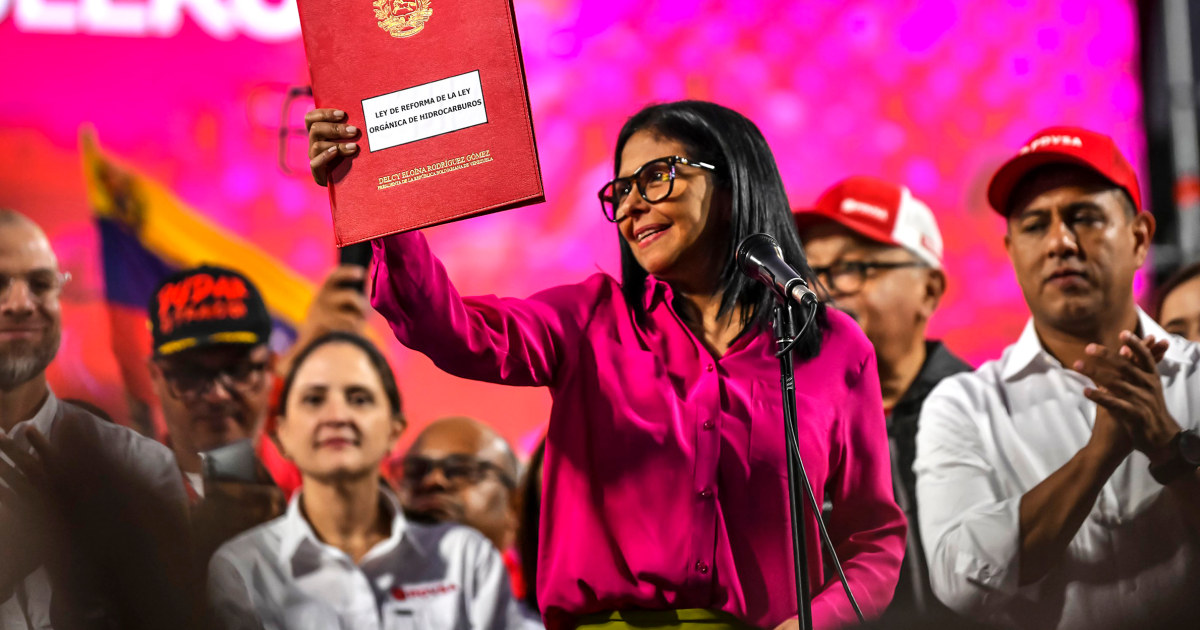
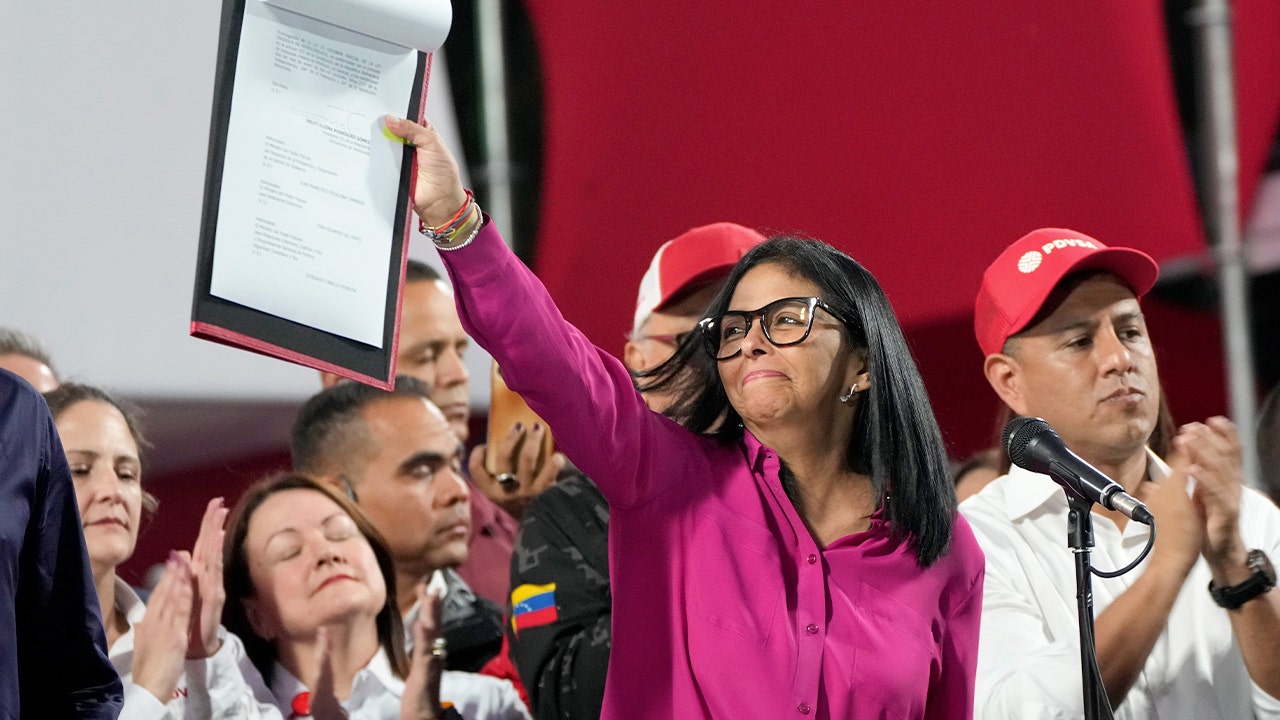
Acting President Delcy Rodríguez signed legislation that opens Venezuela’s oil industry to private and foreign participation, ending PDVSA’s exclusive control over production and sales, allowing independent arbitration and capping royalties at 30%. The move — passed quickly by the National Assembly and coinciding with the U.S. easing some oil sanctions — is intended to attract foreign investment to revive a long-depressed oil sector.
Key facts
Rodríguez signed a law opening Venezuela’s oil sector to privatization
The law ends PDVSA’s exclusive control over oil production and sales
The reform caps government oil royalties at 30%
The law allows independent arbitration instead of only Venezuelan courts
U.S. simultaneously eased some sanctions on Venezuelan oil
 NBC News
 Fox News
The reform is presented as a necessary, forward-looking step to revive Venezuela’s crippled oil industry and secure the country’s economic future.
Best arguments
Opening the sector and granting operational control to private firms is framed as essential to attract capital and technology to boost production.
Independent arbitration and clearer fiscal terms are touted as investor guarantees that will reduce fears of expropriation and legal bias.
Leaders invoke national development and future generations, arguing that a stronger oil sector will fund social and economic recovery.
NBC News The Guardian
Washington portrays the reform and partial sanctions relief as leverage to reshape Venezuela’s oil sector in line with U.S. strategic and commercial interests.
Best arguments
Sanctions relief is explicitly linked to Venezuela opening its oil sector, using economic pressure to secure policy changes favorable to foreign investors.
The U.S. positions itself to manage or oversee Venezuelan oil flows, including sales and the handling of related revenues.
By easing restrictions and lifting some bans, the U.S. encourages its own oil firms to re-enter Venezuela under more favorable, legally protected conditions.
NBC NewsThe GuardianCritics see the law as an incomplete and rushed reform that may not succeed without deeper institutional, legal and democratic changes.
Best arguments
Analysts highlight enduring corruption, weak rule of law and political control over courts, warning these undermine the reform’s credibility.
The legislative process is described as fast and lacking consultation, raising doubts about the law’s durability under future governments.
Opposition figures call for transparency and oversight mechanisms, arguing that without them the reform risks perpetuating misuse of oil revenues.
Treating foreign investment as inherently synonymous with national recovery: Coverage often assumes opening sectors to foreign investors will naturally revive an ailing economy, without equally weighing risks such as inequality, dependency, or environmental harm, implying a one-way causal link.
Downplaying the democratic and sovereignty costs of external pressure: Reports can describe foreign military or economic pressure as routine leverage while giving limited space to its legality or human impact, normalizing interventions without fully discussing their contested nature.
Linking privatization to reform success without examining alternatives: Stories may present privatization as the primary route to efficiency and growth, omitting serious discussion of public-sector reform or hybrid models, which creates a false sense of policy inevitability.
Focusing on investor legal security over broader social safeguards: Narratives emphasize arbitration, tax terms, and contract stability for firms, while underdeveloping potential effects on labor rights, social spending, or local communities, privileging one stakeholder group’s concerns.
Attributing complex sector collapse mainly to a narrow set of causes: Accounts sometimes foreground mismanagement, ideology, or sanctions as dominant explanations for decline, giving less attention to global market dynamics and long-term structural issues, oversimplifying causality.
Does anything look off?

Automated fact checks, context, and multiple viewpoints, so you can share more responsibly and argue less.

© 2025 Unbubble News. All rights reserved.
Made with care for a less polarized world.